Russia, one of the world’s biggest oil exporters, is moving to buy fuel from other countries as drone strikes put pressure on


As video flooded social media over the weekend showing long lines at Russian gas stations – and even fights breaking out in parking lots between frustrated drivers – President Vladimir Putin tried to calm concerns on Sunday and calm fears by insisting that shortages caused by weeks of strikes in Ukraine were not significant.
But the steps the Russian government is taking reveal the depth of the problem. It has banned the export of gasoline and jet fuel, and on Tuesday, the Kremlin confirmed that it is looking at importing oil products.
“If agreements can be reached on price points, they are acceptable [imports] we will move forward,” said Dmitry Peskov, Kremlin spokesman, in a call with reporters.
“This will be another step to stabilize the market.”
The fact that Russia, the world’s third largest oil exporter by 2025, is trying to import refined products from abroad – something it rarely does – shows how Ukraine has managed to disrupt the country’s refining capacity during weeks of ongoing strikes.
Ukraine brings war to Russia
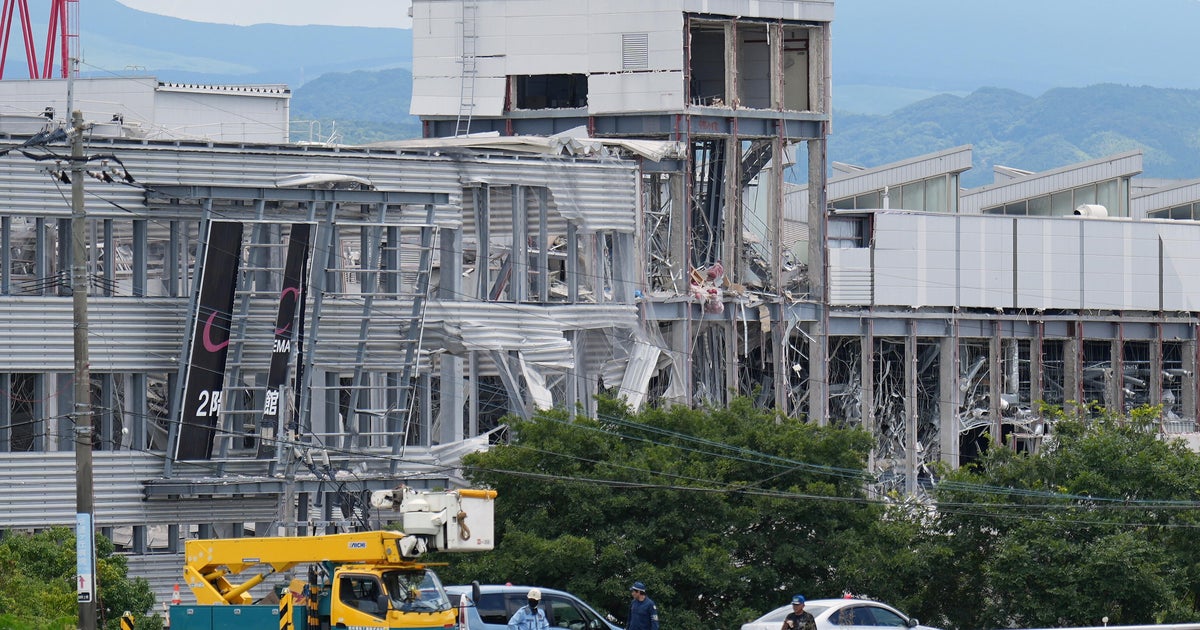
In the past three months, Ukraine has launched a series of attacks on Russian oil refineries, including multiple strikes on a suburb of Moscow that caused explosions in the capital and a thick cloud of smoke choking the sky.
The International Energy Agency called the level of disruption “unprecedented” in wartime history, saying Russia’s oil production in May was 10 percent below its monthly target. Separately, industry sources told Reuters that the country’s oil production fell by 25 percent from the daily average in June last year.

Ukraine’s recent attacks on Russian power facilities have created an unexpected problem for the oil-producing nation: fuel shortages. Some regions have imposed fuel restrictions, prices have risen and reports suggest Russia may begin importing fuel.
The shortage has led to fuel bans, gas station closures and long lines at many pumps. It is another widespread consequence of the all-out offensive that Moscow launched four and a half years ago and continues to wage.
It created public frustration and sparked a series of social media posts. One widely shared meme features a famous quote by the late US Senator John McCain who said back in 2014 that Russia was “a gas station masquerading as a country.”
In his 2023 speech, Putin said that Russia is developing and is no longer just a gas station. Today, people are sharing a photo of that speech, saying that Putin has kept his promise, pointing out that the country will no longer be able to provide its people with enough fuel.
Russian officials would not say which countries they are negotiating with for fuel purchases, but Moscow’s main newspaper Kommersant reported that officials may allow energy companies to temporarily produce low-grade gasoline and diesel, and allow low-quality imports.
In the past few days, articles have started appearing in Russian online publications trying to convince drivers that sometimes it is better for a car if the tank is not full to the top all the time.

Long lines and closed gas stations
Many states have issued limits on how much gas people can buy. In Crimea, which Russia illegally invaded in 2014, a state of emergency has been declared due to fuel shortages.
Dmitry, a 37-year-old businessman from Moscow, told CBC News that he tries to fill up his Lexus every day within the 20 or 30 liter limit set at most gas stations.
“I try to keep my tank full. When it gets to the middle, I pull over and fill 20 liters,” he said. “Maybe others do the same, they collect.”
He says that sometimes gas stations stop drivers suddenly so that they don’t fill up while they are standing in line. At one point, he asked a worker if the fuel was out, but the worker replied that the workers were simply on “technical leave.”
Dmitry, who voiced suspicions that petrol stations were deliberately trying to choke off electricity in order to raise prices, wanted to remain anonymous because he was worried about being seen as criticizing the government.

Black smoke clouded the air in Moscow after a wave of Ukrainian warplanes struck one of Russia’s biggest oil refineries for the second time in days. The attack injured at least 16 people and disrupted air traffic.
He says he believes part of the fuel drop is due to how Moscow has defended itself against drone attacks.
On June 18, when about 200 drones targeted sites in the Moscow region, videos from social media showed air defense teams trying to intercept the weapons.
An analysis by The New York Times concluded that the dramatic explosion at the fuel storage facility – which sent the circular roof flying through the air – could have been a “self-inflicted fire” caused by a Russian air defense missile.
Dmitry, who has watched many videos of this explosion, says he believes that maybe it was, that’s why he says that he sees that the cables of garages at petrol stations annoy him even more.
“After that [strike]the fuel was running low, and now we have this pain in the neck.”

Another economic problem
While many Ukrainians have been posting videos and memes celebrating Russia’s fuel crisis, Maksim Blant – an economic analyst for Radio Liberty, an international broadcaster considered “unpopular” by the Russian government – says the crisis could further weaken an already struggling economy.
“The current fuel crisis is taking place against the background of the budget crisis… [with] an unprecedented budget deficit,” he told CBC News in a Zoom interview from his home in Riga, Latvia.
Blunt, who has worked in banking in Russia, says the fuel shortage is one of the reasons why the country’s central bank officials have been unable to lower interest rates, despite calls from finance officials. Russia’s interest rate is currently set at 14.25 percent.
“The fuel crisis may cause the entire economy to decline,” he said.
A new poll published by Gallup on Tuesday points to a growing economic pessimism among Russians, with 60 percent of respondents saying the economic conditions where they live are getting worse.
The telephone survey of 1,000 Russians was conducted between March 14 and May 6, which was before the fuel situation worsened.
As Russian officials try to ease fuel shortages, the energy industry is rushing to repair refineries ahead of the next wave of attacks on Ukraine. Last week, Ukraine’s president, Volodymyr Zelenskyy, said he had authorized a 40-day campaign to strike targets and try to persuade Russia to end its war.